Disney World and Disneyland Raise Prices Across the Board — Tickets, Annual Passes, Lightning Lane & Food
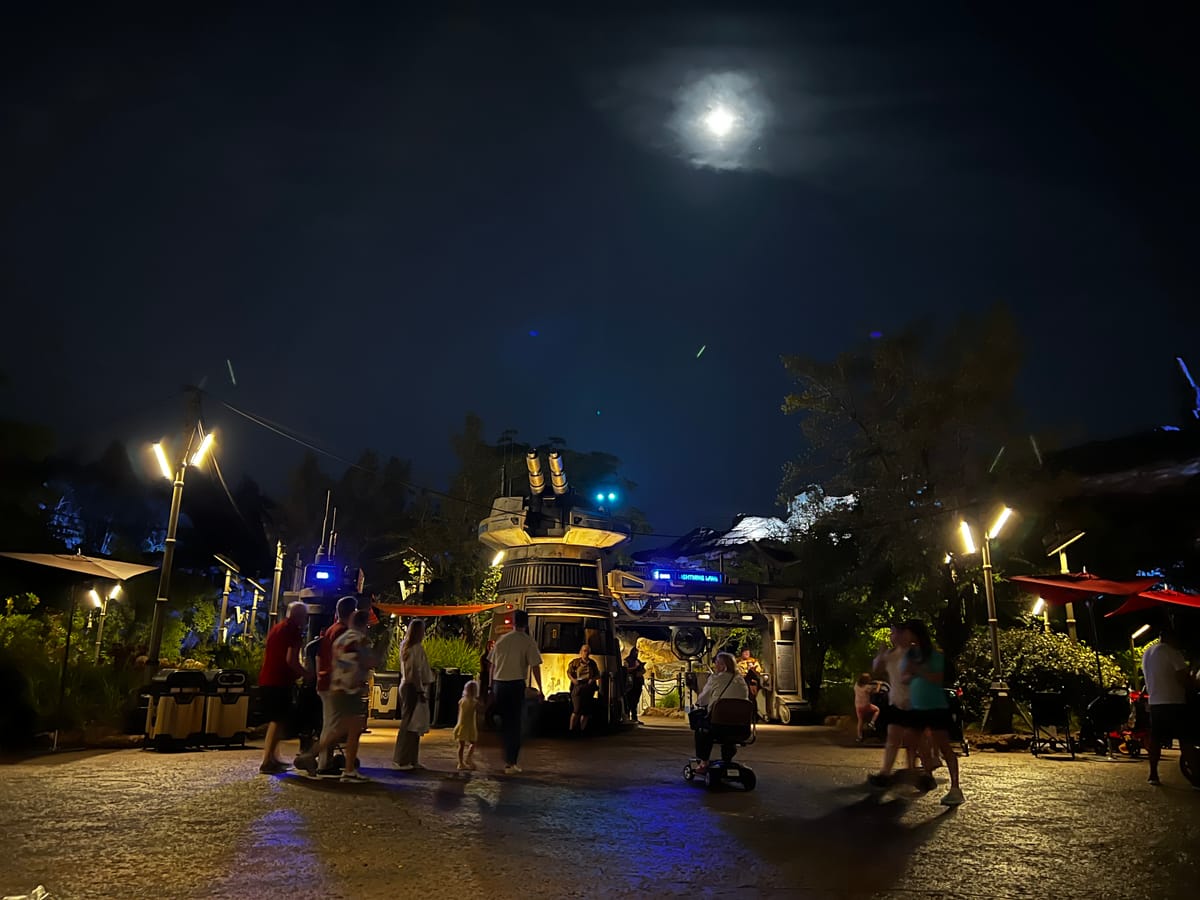
Disney World ticket prices just got more expensive — again — and this time, the increases stretch far beyond the front gate to touch nearly every corner of your vacation budget, from the annual pass in your wallet to the churro in your hand. Both Walt Disney World and Disneyland rolled out sweeping price hikes this week, and whether you're a once-a-decade pilgrim or a seasoned passholder who knows every shortcut through Fantasyland, these changes are going to feel different. Bigger. More deliberate. Like Disney looked at every line item on your vacation budget and decided it was time for a renegotiation.
What Exactly Changed — And How Much More Will You Pay?
Let's start with the numbers, because the scope of these increases is striking even by Disney's ambitious pricing standards.
At Walt Disney World, peak-day ticket prices have hit record highs. The top-tier single-day ticket — the kind you'd need for a Saturday in late December when the parks are shoulder-to-shoulder with families who've been planning this trip since last January — has climbed to levels that would have seemed almost satirical just a few years ago. We're talking about a meaningful jump, not a quiet rounding-up. Meanwhile, Disneyland's increase was comparatively modest, described by analysts as the smallest ticket hike the Anaheim park has seen in years. That relative restraint at Disneyland makes the Walt Disney World increases feel even more pronounced by comparison.
Annual passes at Walt Disney World saw what is being reported as the largest single increase in the program's history. If you've been holding a pass and quietly absorbing incremental hikes year after year, this one lands differently. Depending on your tier — from the foundational Pixie Dust Pass with its blockout-heavy calendar to the top-shelf Incredi-Pass that opens every gate on every day — you're looking at increases that range from uncomfortable to genuinely budget-altering. For families with multiple passholders, the math adds up fast, and not in a pleasant way.
Food prices, never exactly a bargain inside the berm, have also crept upward. That beloved Monte Cristo at Blue Bayou, the loaded nachos on the Mexico pavilion patio, the late-afternoon Dole Whip that's become as much ritual as snack — all of it costs a little more now. And Lightning Lane Single Pass, the à la carte option that lets you skip the standby queue for individual attractions, has also seen price increases across select rides. On a busy day, if you're stacking multiple Lightning Lane Single Pass purchases the way experienced park-goers often do, those individual costs compound quickly into a significant line item.
What Is the Lightning Lane Loophole Disney Just Closed — And Why Are Fans Furious?
The price increases alone would have generated their share of grumbling. But layered on top of the cost hikes is a change that has ignited something sharper: genuine fan frustration bordering on outrage.
Disney has closed a popular workaround that savvy guests had been using to reduce their Lightning Lane spend. Without getting too deep into the technical weeds, this loophole allowed guests to access certain Lightning Lane benefits or timing advantages in a way that wasn't strictly the intended use of the system — but it worked, it was widely known in the planning community, and for budget-conscious families trying to navigate an increasingly expensive day, it was a meaningful pressure valve. Now it's gone.
The closure isn't surprising from Disney's perspective — the company has a long history of patching the gaps that guests find in its systems. But the timing, announced simultaneously with across-the-board price increases, has struck many fans as a particularly tone-deaf double punch. On planning forums, in Facebook groups, in the comment sections of every major Disney news outlet, the reaction has been swift and pointed. "They raise prices and then take away the one thing that made it manageable" is a sentiment you'll see repeated in essentially every thread. Disney has not commented publicly on the loophole closure beyond the operational changes themselves.
Why Do Disney World Price Increases Keep Happening?
To understand these increases, it helps to understand the logic Disney applies — even if that logic feels cold when you're staring at a checkout total that's climbed past what a decent used car cost a generation ago.
Disney operates on a demand-based pricing model, meaning the company adjusts prices based on what the market will bear. When enough guests keep showing up — and they do, even after every previous increase — the economic signal Disney receives is that prices haven't yet reached the ceiling. The parks remain extraordinarily popular. Reservations fill. Hotels book out. The parking lots fill with minivans from a dozen states. From a pure revenue standpoint, the model is working exactly as designed.
There's also the capacity argument. Disney has a genuine interest in managing crowd levels, and higher prices are one mechanism for doing that — pushing more budget-conscious guests toward off-peak dates and lower-demand days while premium pricing extracts more revenue from guests who are coming regardless. Whether you find that reasoning acceptable or infuriating probably depends on which side of the economic equation you're standing on.
What's harder to argue is that these increases happen in a vacuum. They're part of a longer trajectory that has fundamentally changed what a Disney vacation costs — and what it asks of the families who dream about it all year.
How to Plan a Disney World Trip Without Blowing Your Budget
Here is where practical information becomes genuinely valuable, because knowing how to plan a Disney World trip on a tight budget in 2025 is a real and important skill.
First: date selection is more powerful than almost any other lever you have. The difference in ticket price between a peak Saturday in December and a quiet Tuesday in late January can be staggering — sometimes more than $100 per ticket, per person. If your schedule has any flexibility at all, use it. The parks on a low-demand day feel different in the best way: shorter queues, breathing room in the restaurants, space to actually look up at the castle without elbowing past a stroller battalion.
Second: rethink your Lightning Lane strategy given the new pricing landscape. Instead of defaulting to purchasing Lightning Lane for every headliner, prioritize ruthlessly. Pick the one or two rides where standby times are consistently brutal — the new experiences, the perennial favorites — and accept standby for the rest. Arriving at rope drop and moving efficiently through the first hour can net you two or three major attractions before the crowds fully materialize, often making Lightning Lane unnecessary for anything beyond your one true priority.
Third: food costs can be managed without sacrificing the atmosphere that makes park dining special. Mobile ordering from quick-service locations, sharing larger portions, and strategically positioning your table-service meals on days when you're also using a dining plan or dining discount (if you have passholder status) can soften the blow considerably. And honestly? Some of the best eating in both parks happens at the quick-service level. A perfectly constructed Ronto Wrap in Galaxy's Edge hits differently when you're surrounded by the sounds and smells of Black Spire Outpost, regardless of what it costs.
Fourth: for annual passholders absorbing the new rates, run the honest math. Depending on how many days you visit per year and how many discounts you use on dining, merchandise, and hotels, the pass can still represent genuine value — but that calculation is worth doing carefully rather than renewing on autopilot.
Is Disney World Still Worth It After All These Price Increases?
This is the question humming underneath every conversation about Disney's pricing, and it deserves an honest answer rather than a reflexive one in either direction.
For many families, yes — the immersion, the craft, the shared experience of watching a child encounter magic for the first time in front of Cinderella Castle still justifies a cost that is, by any objective measure, significant. Disney does something that no other theme park destination does quite the same way, and that differentiation has real value.
But the honest answer also has to acknowledge that the gap between what Disney costs and what a middle-class family can comfortably absorb has widened. The increases this week are not isolated events — they're part of a pattern that has been building for years, and the loophole closure signals that Disney is actively reducing the workarounds guests have developed to cope. That matters. It changes who can realistically afford the full experience and how often.
The magic is still there, drifting through Main Street on a warm evening with the smell of popcorn and the distant sound of a brass band. But planning a Disney World vacation in 2025 requires more strategy, more flexibility, and more financial preparation than it ever has before — and going in with eyes wide open is the best thing any guest can do.
FREE DOWNLOAD: 10 Hidden Gems at Walt Disney World. The insider guide most visitors never find. Free for Mission to Magic readers.