Comcast Announces NBCUniversal Spinoff — What It Means for Universal Theme Parks
Comcast Announces NBCUniversal Spinoff — What It Means for Universal Theme Parks
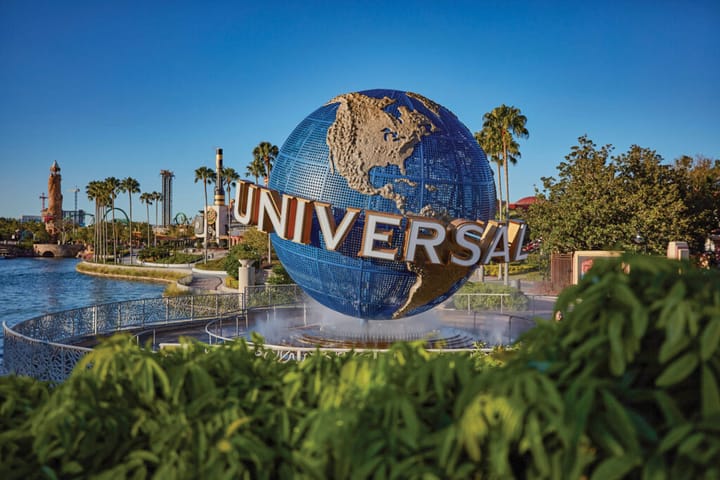
The smell of Butterbeer still lingers in the air at Hogsmeade, the rumble of Velocicoaster still rattles through your chest on the way out of Islands of Adventure, and somewhere in Orlando a construction crew is putting the finishing touches on what may be the most ambitious theme park ever built — but behind all of that magic, a seismic shift in corporate structure is quietly reshaping the future of Universal theme parks as we know them. Comcast has officially announced plans to spin off NBCUniversal, including its crown jewel Universal Destinations & Experiences, into a fully independent, publicly traded company. It's the kind of boardroom headline that can feel distant from the turnstile experience, but for anyone who loves these parks — or is planning a visit — understanding what's happening and why it matters is absolutely worth your time.
What Exactly Did Comcast Announce?
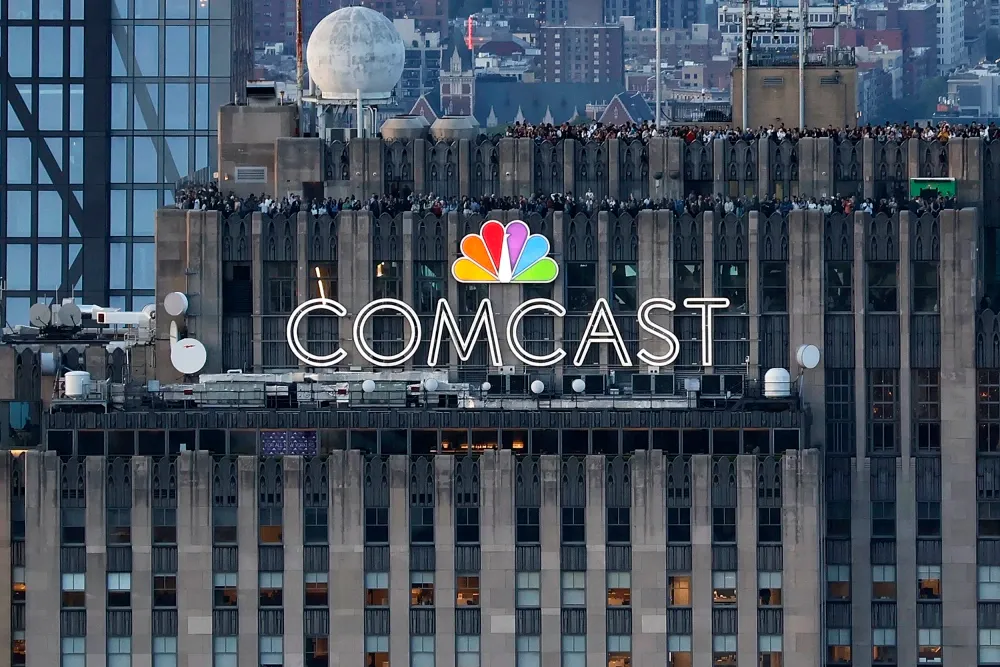
Let's get the facts on the table first. Comcast, the telecommunications and media giant that has owned NBCUniversal since 2011, announced plans to separate the entertainment and theme park division into its own standalone, publicly traded entity. This means NBCUniversal — which encompasses NBC broadcast television, MSNBC, Bravo, Peacock streaming, Universal Pictures, and yes, Universal Destinations & Experiences — would no longer operate under Comcast's direct corporate umbrella. Instead, it would answer to its own shareholders, its own board of directors, and its own financial pressures and priorities.
The spinoff is not an overnight event. These kinds of corporate restructurings take time — typically months to years — and require regulatory approvals, shareholder votes, and careful untangling of shared infrastructure. Comcast has indicated the process could take up to a year to complete. So for the guest walking through the gates of Universal Studios Florida tomorrow morning, absolutely nothing changes. The rides run, the characters roam, the park smells of popcorn and possibility just the same as it always has.
But for the long-term future of Universal theme park expansion, the implications are anything but subtle.
Why Is Comcast Spinning Off NBCUniversal?
Corporate spinoffs happen for a handful of well-worn reasons: to unlock shareholder value, to allow each business unit to focus on its core strengths without the weight of a sprawling parent company, or sometimes to separate slower-growing legacy businesses from faster-growing ones. In Comcast's case, the cable television and internet infrastructure business — its core telecom operation — is facing headwinds as cord-cutting accelerates. NBCUniversal, by contrast, is a content and experiences powerhouse that operates by a very different economic logic.
By separating the two, Comcast essentially lets each company tell its own financial story to investors. The parks and entertainment side of NBCUniversal, powered by Universal Destinations & Experiences, is genuinely compelling on its own terms. Theme parks are capital-intensive but enormously profitable once built, generating recurring revenue from tickets, hotels, food and beverage, and merchandise. Universal's parks business has been on an impressive growth trajectory, and with Epic Universe on the horizon, there's a credible argument that the theme park empire is one of the most exciting growth stories in all of entertainment.
What Does This Mean for Epic Universe and Future Universal Theme Park Expansion?
This is the question every park enthusiast is asking, and it deserves a direct answer: the NBCUniversal spinoff and its impact on Epic Universe expansion plans is genuinely uncertain, but the outlook has real reasons for optimism alongside real reasons for caution.
Epic Universe, the staggering new theme park rising from the ground in Orlando with worlds dedicated to Harry Potter, How to Train Your Dragon, Nintendo, and the broader Universal Monsters and Classic Universe experiences, is already well into construction and represents a multi-billion dollar commitment. That investment is locked in. The opening is coming. Nothing about the spinoff announcement changes the concrete being poured or the dark ride track being installed inside those immersive new lands.
What changes is the financial environment in which the next decisions get made. Once NBCUniversal is an independent public company, its leadership will face Wall Street scrutiny in a new and more direct way. Every decision about a new park in Europe, a new hotel tower in Orlando, or a potential expansion in Asia will be weighed against quarterly earnings calls and investor expectations. That kind of scrutiny can sometimes accelerate investment — a company eager to prove its growth story to new shareholders has every incentive to move boldly. But it can also introduce a conservatism that a well-capitalized parent company with diverse revenue streams doesn't necessarily face.
Industry watchers following the Universal theme park ownership structure change closely note that the parks business is arguably NBCUniversal's most reliable and exciting growth engine right now. In a world where linear television is declining and streaming is still finding its profit footing, a theme park that sells $120 tickets and $6 Butterbeers every single day is a genuinely beautiful business. An independent NBCUniversal may actually lean into that strength more aggressively than ever, unburdened from having to compete for capital against Comcast's broadband infrastructure spending.
Will Guests Notice Any Difference at Universal Parks?
In the near term — no. Walk into Universal Studios Hollywood this weekend and every cue, every scent of the park, every perfectly timed pre-show effect in Despicable Me: Minion Mayhem will operate exactly as designed. The day-to-day experience of visiting a Universal park is managed by thousands of team members who aren't thinking about Comcast's corporate reorganization. They're thinking about making sure your Hagrid's Motorbike Adventure experience is flawless from the moment you board to the moment you exit into the cool Wizarding World evening air.
What guests might eventually notice — years from now — are the downstream effects of this ownership change. Will new lands get greenlit faster or slower? Will hotel room pricing shift as a newly independent company optimizes revenue differently? Will intellectual property deals for future attractions become more or less creative as the new entity builds relationships with studios beyond NBCUniversal's own portfolio? These are genuine open questions, and none of them have answers yet.
What's worth noting, from a practical planning perspective, is that any announced projects — Epic Universe, the confirmed expansion plans, the new hotels — are proceeding as planned. If you've been eyeing a trip to Orlando for the Epic Universe opening, there is no reason whatsoever to delay or reconsider based on this corporate news. The parks are real, the rides are coming, and the magic is being built with extraordinary ambition regardless of who ultimately signs the corporate charter.
Is This Good or Bad News for Universal Theme Park Fans?
Honestly? It's genuinely too early to declare a verdict. Corporate spinoffs can liberate great businesses to reach their full potential, and they can also introduce financial pressures that lead to short-term thinking. The history of theme park ownership changes — from Disney's own internal restructurings to the complex history of Six Flags navigating multiple bankruptcies — suggests that leadership vision and operational culture matter far more than corporate parentage. Universal has, under its current leadership, made extraordinary creative bets. The question is whether an independent NBCUniversal carries that culture forward with the same confidence.
What we can say with certainty is that Universal Destinations & Experiences is entering this transition from a position of genuine strength. Epic Universe alone represents a level of creative and financial commitment that signals deep belief in the parks business. A company that just built what may be the most immersive theme park ever conceived doesn't look like a company losing faith in its own product.
What Happens Next?
The spinoff process is expected to take up to twelve months to complete, with regulatory and shareholder approvals required along the way. NBCUniversal will eventually emerge as its own publicly traded company, likely with new branding, a new ticker symbol, and a new chapter in its story. Industry analysts will be watching closely, park fans will be watching closely, and — if we're being honest — so will the competition. Disney has long been the measuring stick in this industry, and a newly independent NBCUniversal with the weight of Epic Universe behind it and fresh capital market energy around it could reshape the competitive landscape in genuinely interesting ways.
For now, though, the most important thing to know is simple: the parks are open, Epic Universe is on its way, and the Universal theme park experience you've been dreaming about — whether that's stepping onto the Hogwarts Express, soaring above a Norwegian coastline with Toothless, or finally meeting your favorite Nintendo characters in a world built to staggering detail — that experience is not going anywhere. The Comcast NBCUniversal restructuring is a story worth following for anyone invested in the future of these parks, but it is not a reason to change your plans, dampen your excitement, or lose a moment's anticipation for what is shaping up to be one of the most remarkable eras in theme park history.
FREE DOWNLOAD: 10 Hidden Gems at Walt Disney World. The insider guide most visitors never find. Free for Mission to Magic readers.
Source: attractionsmagazine.com